
Protecting the home at wildfire’s last mile.
We’re not sharing what we’ve built yet — but we can tell you where we’re focused, and why.
Most wildfire technology is built around the fire: tracking it, modeling it, fighting it from a distance. We focus on the other end of that equation: the home itself, and the last few feet and minutes before a wildfire either reaches a structure or doesn’t.
The Wildland-Urban Interface, or WUI — the zone where homes and wildland vegetation sit close enough together that a wildfire event becomes a structure-loss event. Our work grounds in home-ignition science, materials, and structural design, built by a team that has spent careers studying how homes actually burn — and how they don’t.
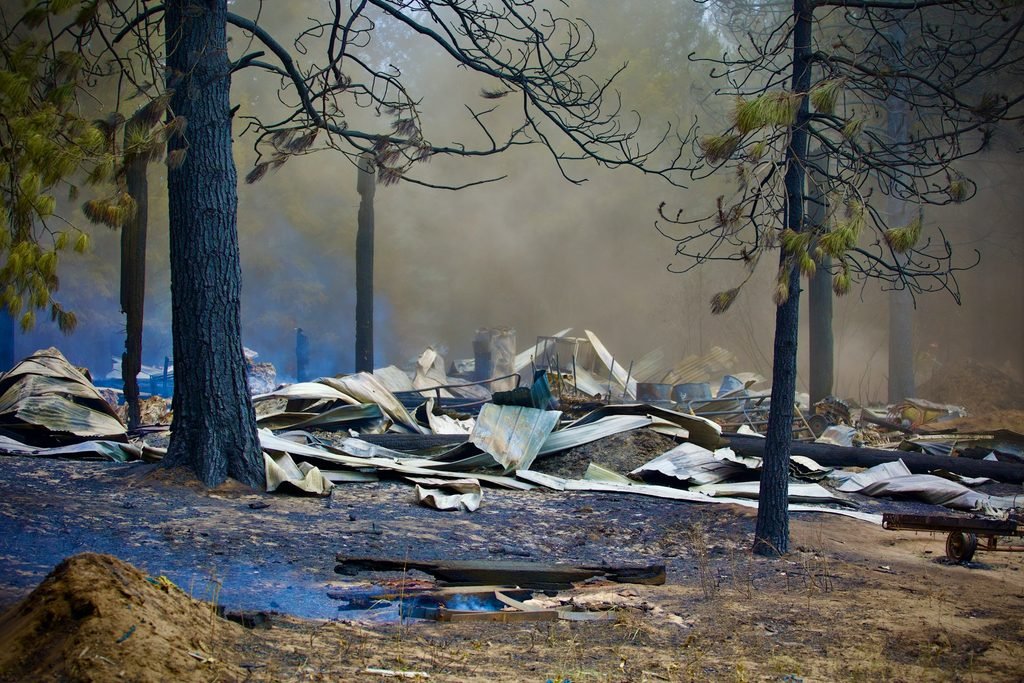
Areas We’re Working In
- Structure-level ignition defense
- Technology focused on the specific ways homes ignite during wildfire – ember intrusion, radiant heat, and direct flame contact
- Built for the Wildland-Urban Interface
- Designed specifically for homes sitting where wildland vegetation and residential development meet – not adapted from wildland firefighting or industrial fire suppression.
- Retrofit and new-build ready
- Built to work for homes that already exist in high-risk areas today, integrates clean into new construction.
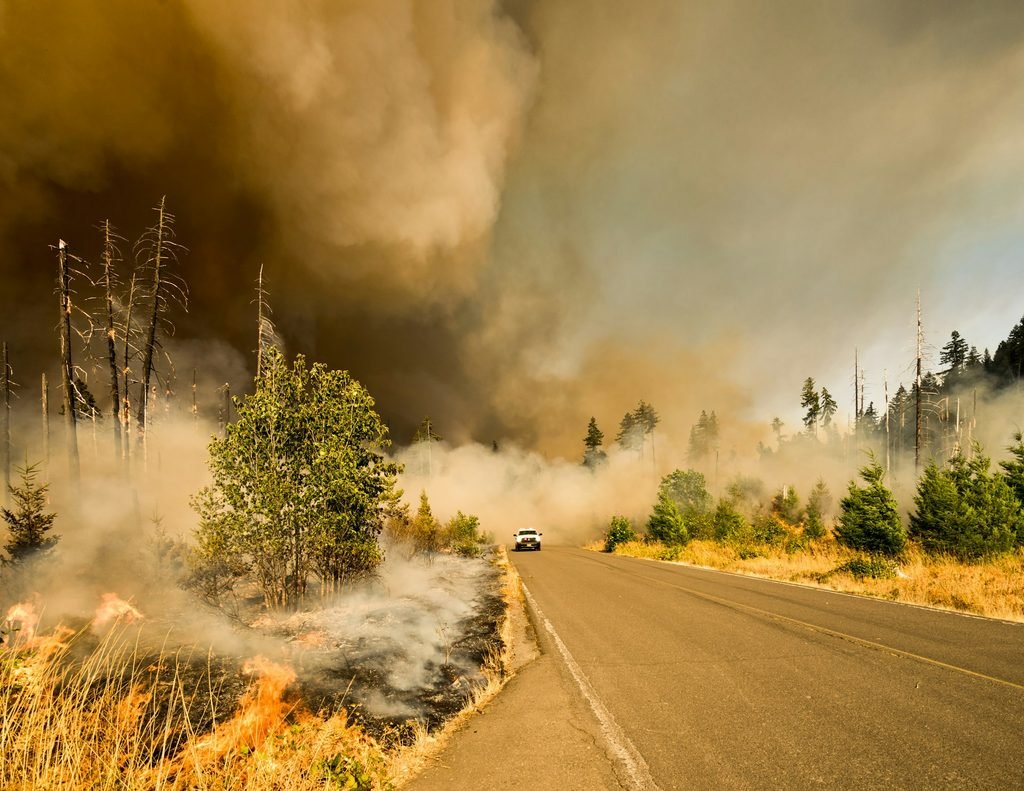
Protection For Everyone
- High-risk existing homes
- Communities already living with frequent wildfire exposure, often facing shrinking insurance options and rising costs just to stay covered.
- New construction
- Homes being built today in wildfire-prone regions, where protection can be designed in from day one rather than retrofitted later.
- High-value properties
- Homeowners with significant investment in a single property, where the case for meaningful protection is most immediate.
Partnering or piloting?
At Pyrskene, we’re in early conversations with homeowners, builders, insurers, and fire-safety organizations in high-risk regions — typically under NDA once it goes beyond a general conversation.