
A question that became a company.
How do we protect each home, wherever it is, whenever the fire hits?
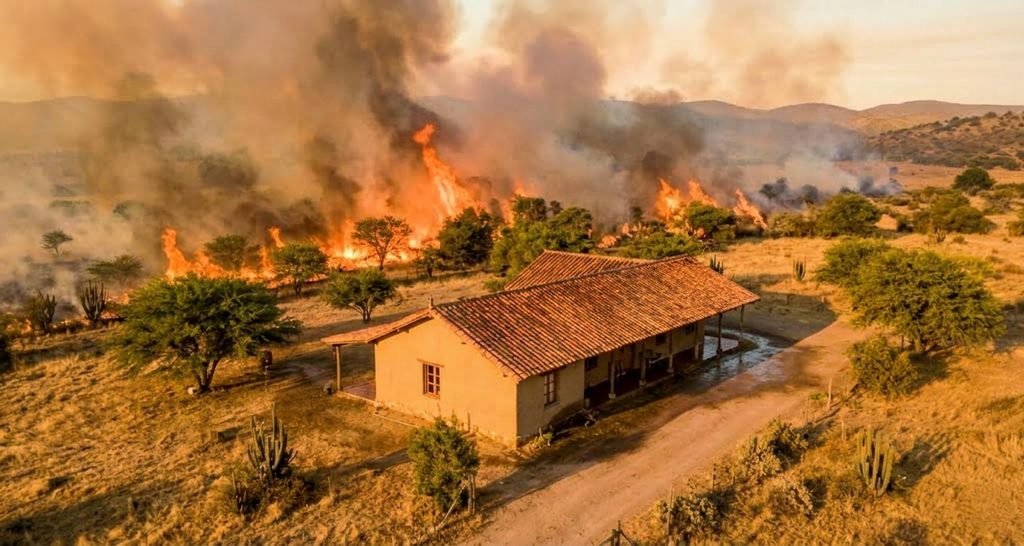
Most wildfire technology is built around the fire itself — where it starts, how fast it spreads, how to fight it in the field.
Pyrskene started at the other end of that story: the home. By the time a wildfire reaches a structure, the outcome is often decided by things most homeowners never think about – what’s touching the house, what’s venting into it, what’s within reach of an ember.
How do we protect each home, wherever it is, whenever the fire hits?
That question became the company. We’re still early. We’re heads-down. But we didn’t want to wait until launch to say why we’re doing this.

Where we are today
Pyrskene is in stealth, and right now that means we’re spending most of our time listening – talking with homeowners in high-risk areas, builders, insurers, and fire-safety experts to make sure what we build actually fits how this problem shows up in the real world. We’re deliberately not sharing product details yet. If you’re an investor, a potential partner, or someone who studies or lives with this problem, we’d genuinely like to hear from you.
The scale of the problem
- Insurance retreat – A growing number of insurers have pulled back from writing new policies in the highest-risk wildfire regions, leaving homeowners with fewer and more expensive options. (1) (2)
What we value
- Safety first – Everything we build has to hold up on the one day it’s actually tested – when fire reaches the home it’s protecting.
- Scientific rigor – Home ignition is a well-studied but under-applied science. We build on real fire behavior research, not assumptions.
- Urgency – Homeowners in fire country don’t have the luxury of waiting for a perfect roadmap. We move like the risk is real, because it is.
- Homeowner-first – We’re building for the families who live in these homes, not just the institutions that insure or regulate them.